January 13, 2026
Knowing when to invest in tree removal is essential to keeping your property safe and attractive. Trees enhance your landscape by offering shade, beauty, and structure, but when they become diseased, damaged, or unstable, they can pose serious risks. Recognizing the warning signs that indicate when a tree should be removed can prevent costly property damage and ensure safety. With help from a professional tree care company, homeowners can make informed decisions about whether to preserve or remove a tree.
Recognizing When a Tree Is Dying
Determining whether a tree is dying can be challenging because symptoms often develop gradually. A trusted tree care company can identify subtle warning signs before they become serious.
Common indicators include thinning foliage, discolored leaves, brittle branches, and peeling or missing bark. You may also notice cracks in the trunk, hollow sections, or fungi growing near the base—all of which suggest internal decay. Trees that fail to leaf out in spring or lose leaves prematurely are also showing distress.
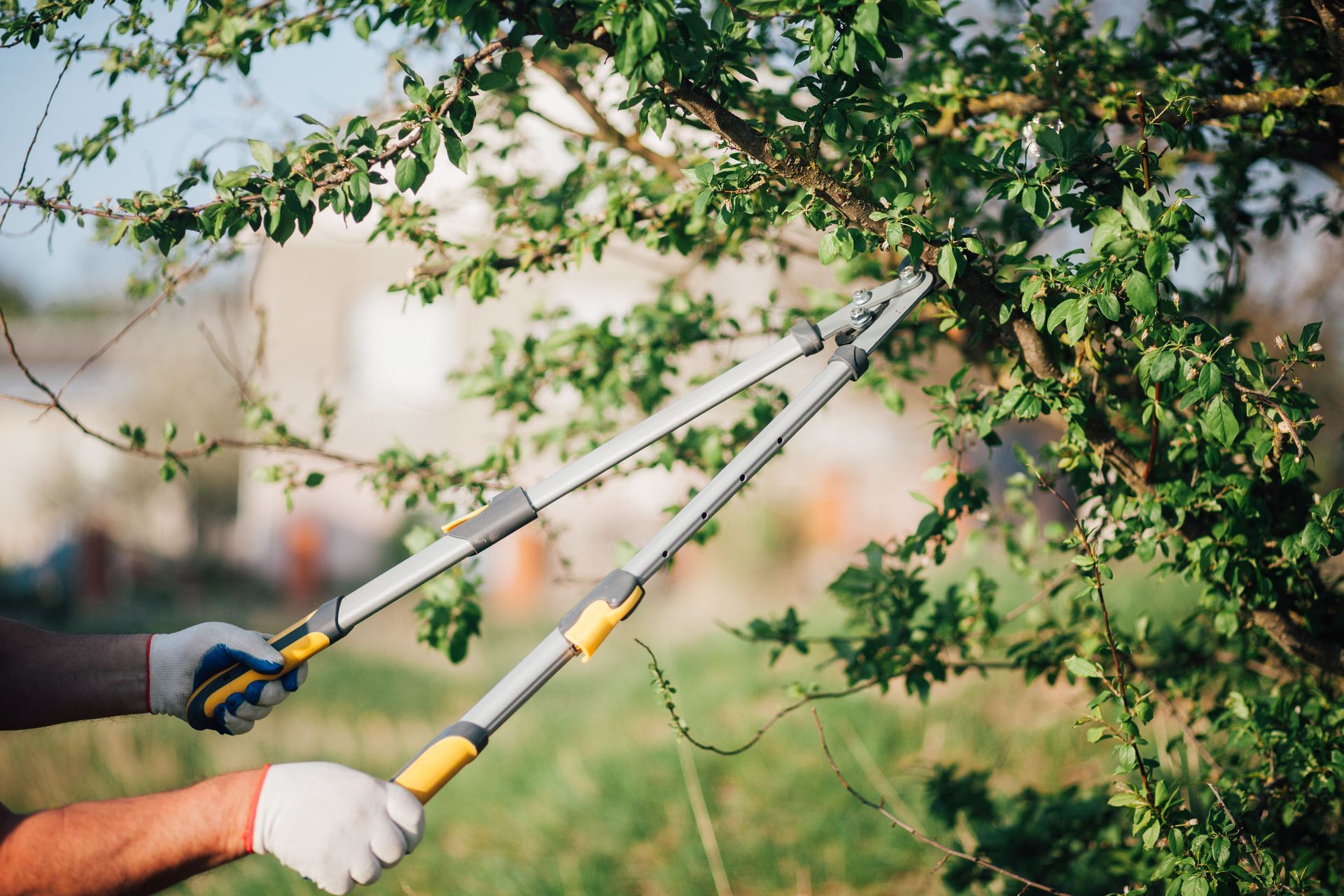
According to research from Lawn Love, most trees need trimming every three to five years to remain healthy and structurally sound. Skipping this routine maintenance can lead to overgrowth, branch crowding, and poor airflow—all of which contribute to decline. A tree care company can perform regular pruning to encourage healthy growth and reduce the likelihood of disease or breakage.
If a tree’s health remains uncertain, an arborist from a tree care company can evaluate soil conditions, root health, and internal structure. Their assessment helps determine whether the tree can be saved or if removal is the safer option.
Understanding the Risks of Keeping a Damaged Tree
Keeping a damaged tree on your property can create serious safety hazards and financial risks. Trees weakened by storms, age, or disease are more likely to shed large branches or collapse entirely, especially during high winds, heavy rain, or snow. Even trees that appear healthy from the outside may have hidden structural issues, such as internal decay or compromised root systems, which a trained arborist from a tree care company can detect.
When a tree falls, the consequences can be severe. Collapsing branches or an entire tree can damage fences, roofs, vehicles, or power lines, and in the worst cases, cause injury to family members, neighbors, or passersby. Beyond physical damage, homeowners may face liability if a neglected tree causes harm to neighboring properties. Proactive inspections from a professional tree care company help identify potentially dangerous trees before they reach a critical point, allowing for preventive measures that protect both people and property.
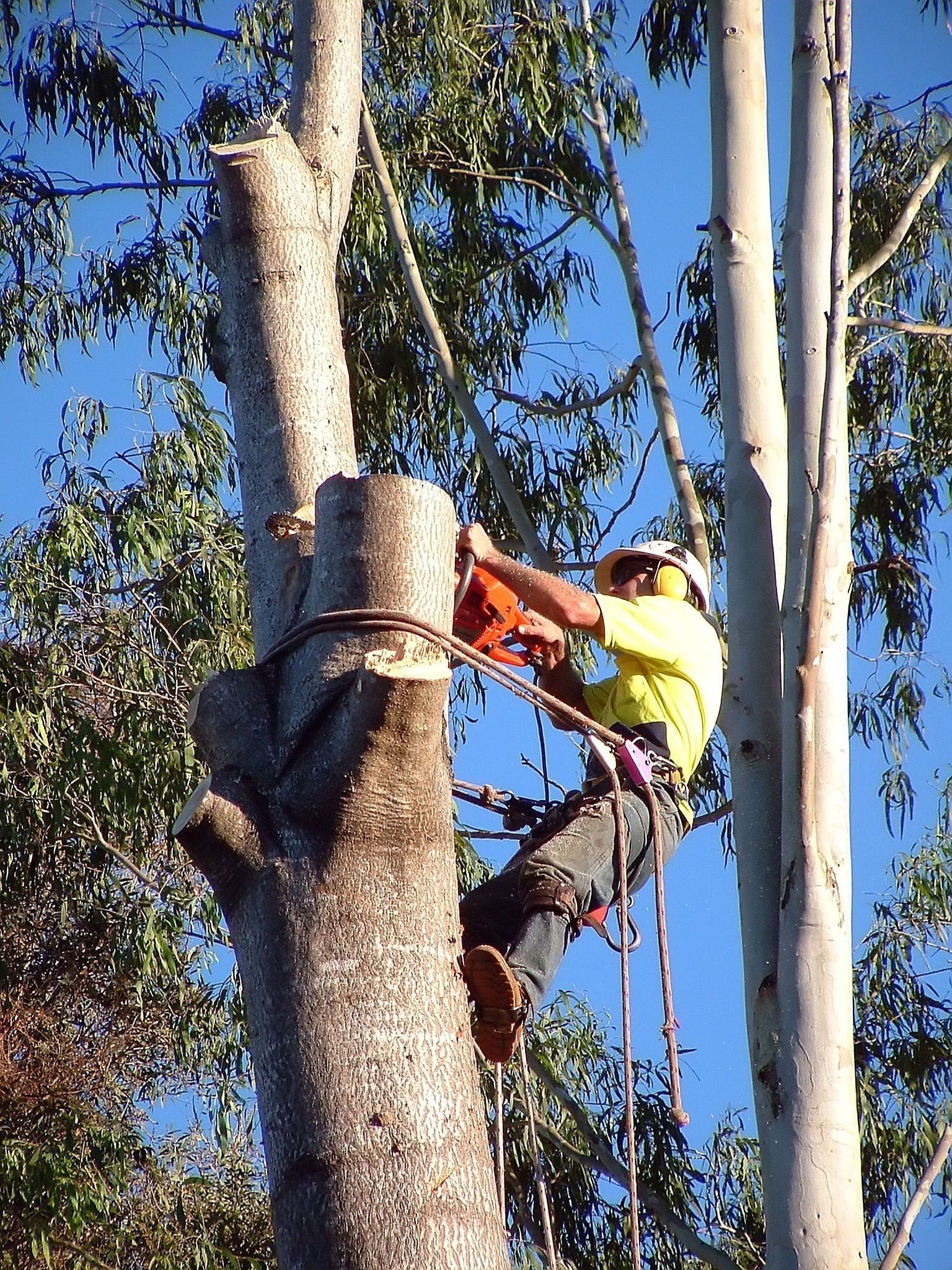
Signs that a tree may require removal include a split or hollow trunk, extensive fungal growth, leaning at a sharp angle, or large dead branches. In such cases, attempting to remove the tree yourself can be extremely dangerous. A tree care company brings the proper equipment, training, and experience to safely and efficiently remove hazardous trees while minimizing the impact on surrounding landscaping.
Determining When an Overgrown Tree Requires Removal
Overgrown trees can present a variety of challenges, from blocking sunlight to interfering with nearby structures. Large branches may brush against your roof, crowd other plants, or obstruct driveways and walkways. In some cases, root systems can damage foundations, sidewalks, and underground pipes.
A qualified tree care company can assess whether pruning will resolve these issues or whether complete removal is necessary. Overgrown canopies often catch strong winds like sails, increasing the risk of falling limbs. Regular trimming, recommended every few years, helps prevent this and keeps growth under control.
However, if a tree’s size continually creates maintenance concerns or poses hazards to your home, removal may be the most practical option. A professional tree care company can not only handle removal safely but also recommend replacement species better suited to your yard’s size and soil type. This ensures lasting beauty without repeated overgrowth problems.
Identifying How Pest Infestations Damage Trees
Pest infestations are another major cause of tree decline. Insects such as borers, beetles, and caterpillars feed on bark, leaves, or roots, disrupting nutrient flow and weakening a tree’s structure. Signs of infestation include small holes in the trunk, sticky sap, sawdust-like residue, and clusters of insects beneath loose bark.
If left untreated, these pests can spread to neighboring trees and quickly create larger issues across your property. A knowledgeable tree care company can determine the cause of the infestation and recommend the best treatment. Depending on the situation, this might include targeted insecticides, soil treatments, or pruning infected branches to stop the spread.
In severe cases where pests have already caused extensive decay, the safest solution may be removal. Many tree care companies also work with pest control specialists to ensure the problem is fully resolved and the surrounding vegetation remains protected.
Scheduling periodic maintenance and inspections with a tree care company helps catch infestations early and keeps your trees healthy year-round.
Assessing When a Tree Poses a Risk to Property
Even healthy trees can become hazardous when positioned too close to homes, driveways, or power lines. A tree that leans noticeably or grows unevenly may be developing root instability or internal weakness. A tree care company can assess whether the tree is likely to fall or shed branches that could cause damage.
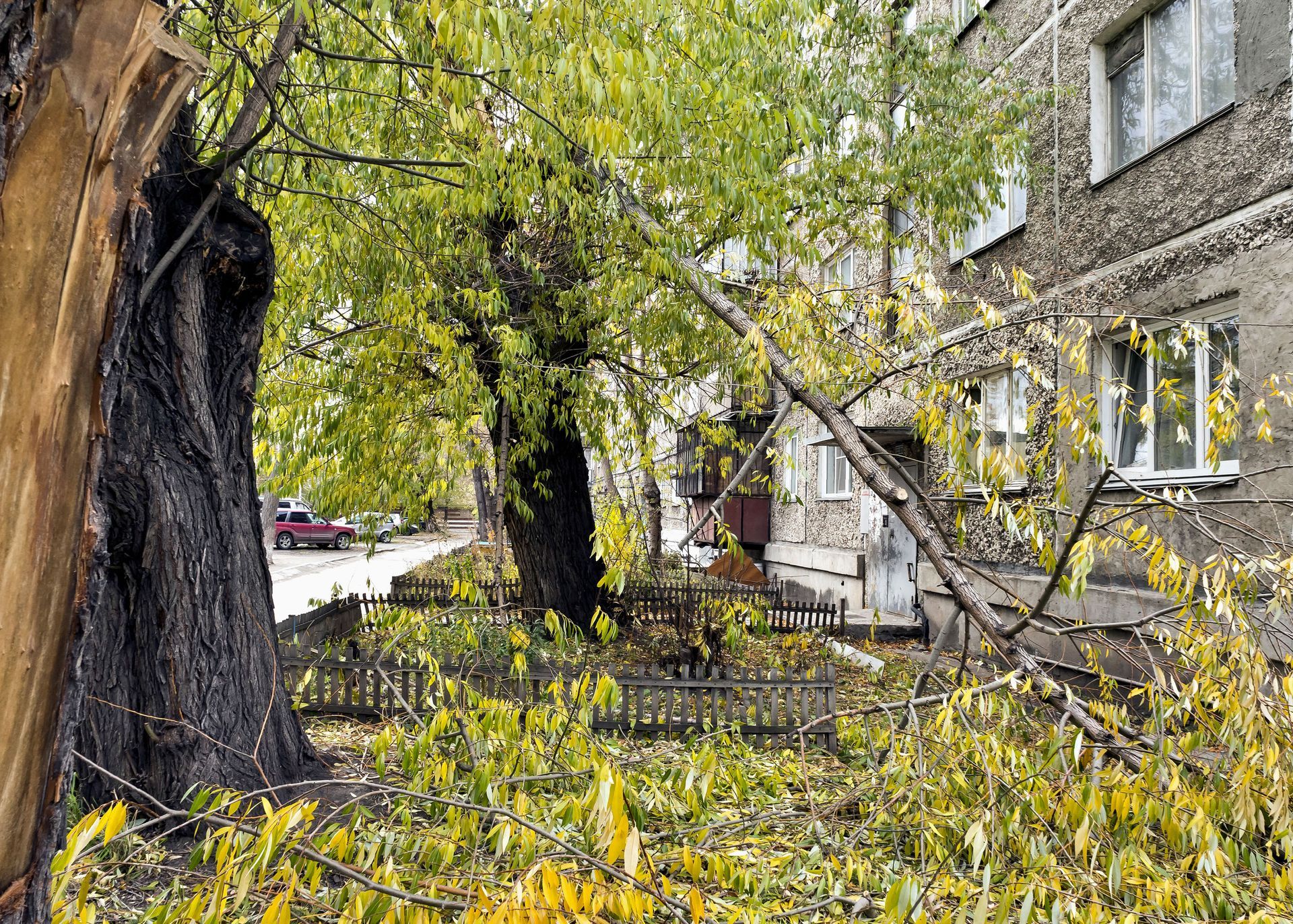
Storms often worsen these risks. After severe weather, trees may be partially uprooted, with weakened roots unable to anchor them. Others might have hanging limbs or cracked trunks that threaten nearby structures. A professional tree care company can evaluate these hazards and take appropriate steps—such as trimming, cabling, or removal—to ensure safety.
Trees located near foundations can also lead to costly repairs if roots invade pipes or push against concrete. In these cases, removal may be the only viable option to prevent ongoing damage. Consulting a tree care company ensures that the removal is performed safely and that the remaining landscape remains intact and healthy.
Determining When Tree Removal Protects Your Landscape
While removing a tree can feel like a loss, sometimes it’s necessary to protect the overall health of your property. Diseased or dying trees can harbor fungi or bacteria that spread through soil contact or airborne spores, threatening nearby plants. Removing these trees prevents the infection from moving to others and helps maintain the beauty and safety of your landscape.
A tree care company can identify whether an infected tree is treatable or must be removed to protect the rest of your yard. In addition to preventing the spread of disease, removal can open space for new plantings, improve sunlight distribution, and reduce crowding among remaining trees.
Tree removal also allows for more strategic landscape planning. With the help of a tree care company, homeowners can replace unsafe or unhealthy trees with species better suited to the local soil, climate, and available space.
Investing in tree removal isn’t just about improving your property’s appearance—it’s about ensuring safety, stability, and long-term health. When a tree shows signs of decay, overgrowth, or pest infestation, acting quickly can prevent significant damage. By partnering with a trusted tree care company, you can receive expert advice, thorough inspections, and reliable service.
Whether you’re dealing with a dying tree, a damaged trunk, or a hazardous lean, a professional
tree care company has the knowledge and tools to handle the situation responsibly. With regular maintenance and timely removal when needed, your property will remain both safe and beautiful for years to come. If you need a tree moved, don't wait until it becomes a danger to your property; contact TreeSpire today!