April 28, 2026
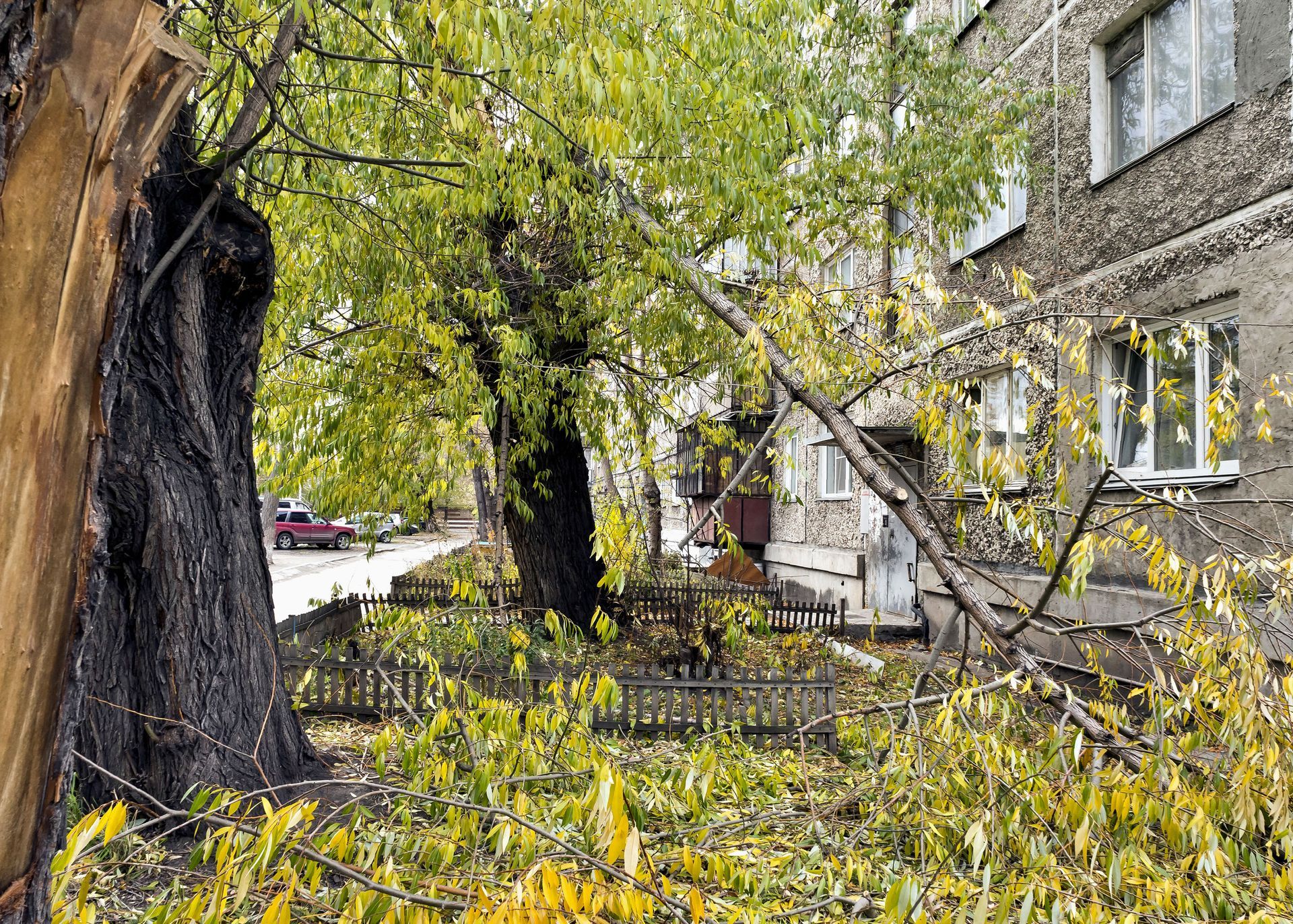
Storms can arrive with little warning, bringing strong winds, heavy rain, and conditions that can quickly turn a peaceful landscape into a hazardous environment. Trees, while beautiful and beneficial, can become one of the biggest risks during severe weather if they are not properly maintained. Overgrown branches, weak limbs, and dense canopies can all contribute to damage that affects homes, vehicles, and outdoor spaces.
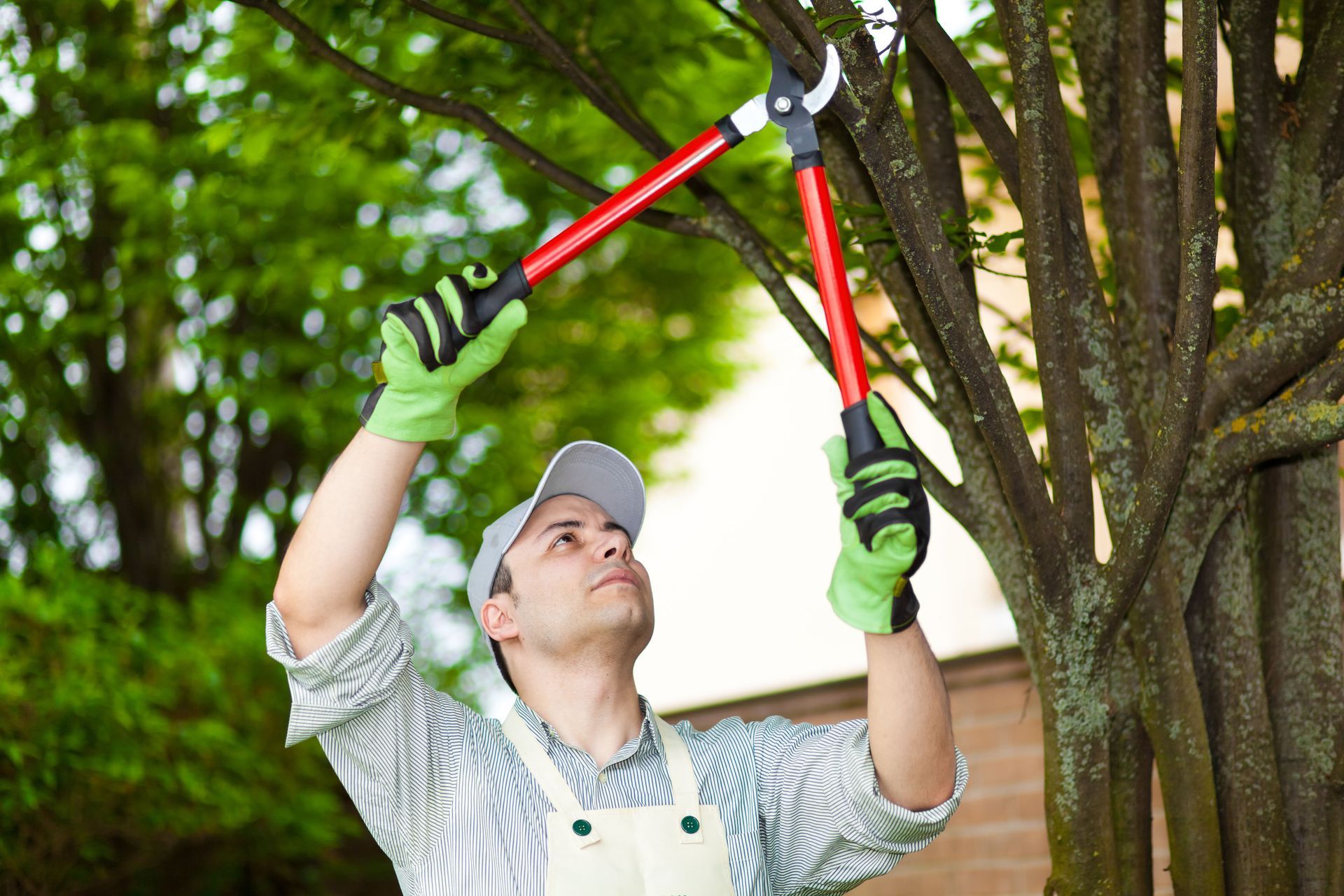
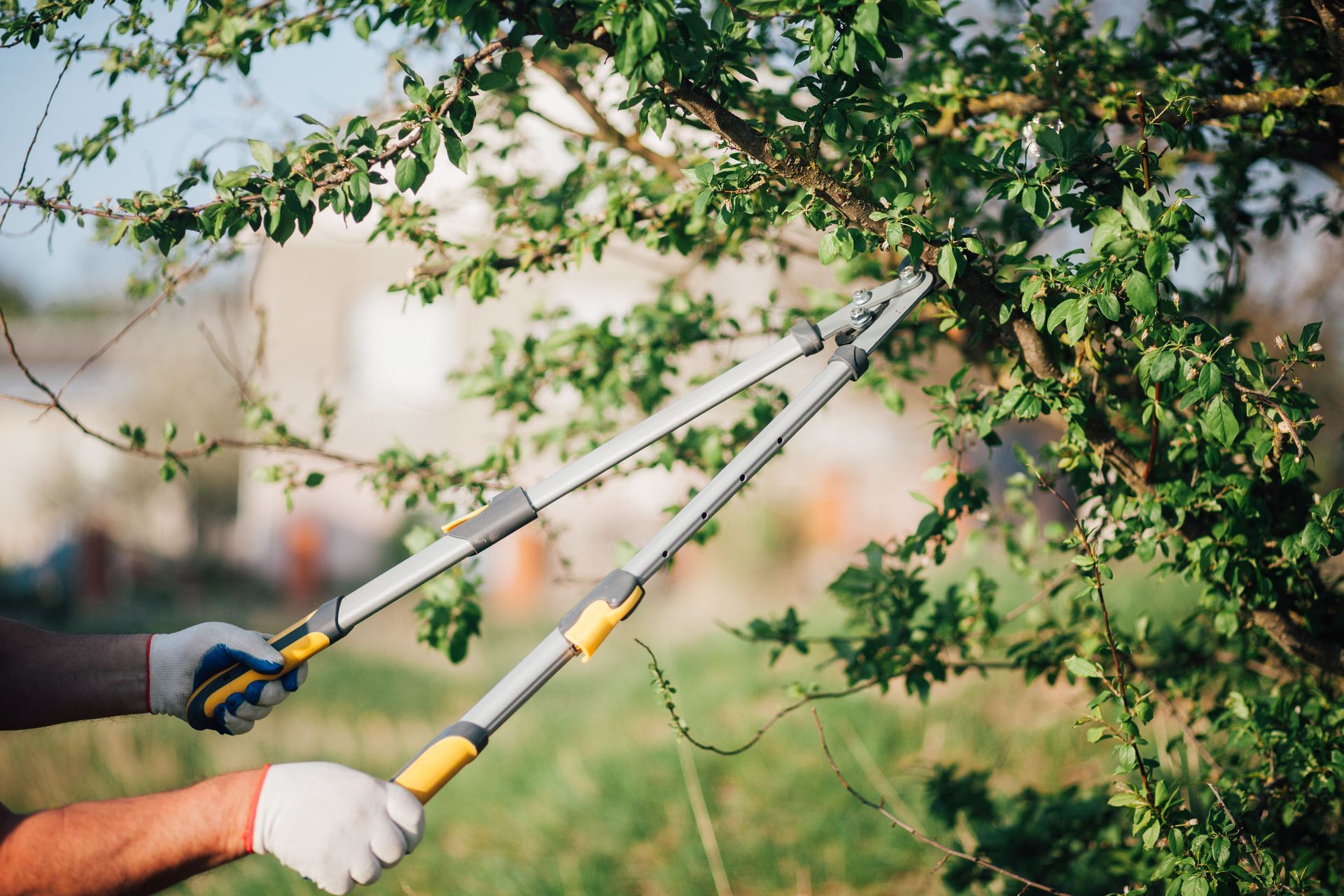
This is where tree pruning becomes essential. More than just a cosmetic service, tree pruning is a strategic and preventative measure that strengthens trees and prepares them to withstand harsh conditions. Professionals approach pruning with careful planning, focusing on both the health of the tree and the safety of the surrounding area. By addressing potential risks before a storm hits, pruning helps reduce the likelihood of broken branches, fallen limbs, and structural failure.
Understanding how tree pruning contributes to storm damage prevention can help property owners make smarter maintenance decisions. With the right approach and professional care, trees can remain strong, stable, and capable of enduring even the most challenging weather.
1. Strengthening Structural Integrity
One of the most important ways tree pruning prevents storm damage is by improving the structural integrity of a tree. Over time, trees can develop uneven growth patterns, with branches extending too far in one direction or becoming too heavy in certain areas. This imbalance creates stress points that make the tree more vulnerable when strong winds or heavy rain occur.
Professional tree pruning focuses on correcting these imbalances. By removing poorly attached branches and reducing excess growth in specific areas, specialists help distribute weight more evenly throughout the tree. This balanced structure allows the tree to stand stronger against external forces.
Additionally, pruning encourages the development of healthier branch attachments. Weak joints are identified and addressed early, reducing the chances of breakage during storms. When a tree has a solid framework, it is much better equipped to handle sudden weather changes without sustaining significant damage.
2. Reducing Excess Canopy Weight
A dense canopy might look lush and appealing, but it can become a major liability during a storm. The heavier a tree’s canopy, the more strain is placed on its branches and trunk. When rain saturates the leaves and wind pushes against the canopy, the added weight and pressure can lead to snapping or splitting.
Tree pruning helps manage this risk by selectively thinning out the canopy. Removing excess foliage reduces the overall weight, making it easier for the tree to support itself during severe conditions. This process also minimizes the amount of water that can accumulate on the leaves, further decreasing stress.
By reducing canopy weight, professionals create a more streamlined and stable tree structure. This not only lowers the risk of branch failure but also helps protect nearby structures from falling debris.
3. Eliminating Weak and Dead Branches
Dead or weakened branches are among the most dangerous elements of any tree during a storm. These branches are often brittle and unable to withstand strong winds, making them likely to break off and fall unexpectedly. Even smaller limbs can cause significant damage when propelled by storm conditions.
Through careful tree pruning, professionals identify and remove these hazardous branches before they become a threat. This proactive step significantly reduces the amount of debris that can be generated during a storm.
Removing weak or damaged branches also benefits the overall health of the tree. It allows the tree to redirect its energy toward stronger growth, improving its resilience over time. A healthier tree is naturally better prepared to endure environmental stress, making pruning an essential part of storm readiness.
4. Improving Wind Resistance
Wind resistance is a key factor in determining how a tree responds during a storm. When a tree’s canopy is too dense, it can act like a barrier that catches wind, increasing the pressure on the trunk and root system. This can lead to bending, uprooting, or significant structural damage.
Tree pruning helps reduce this effect by allowing air to pass more freely through the canopy. By thinning out crowded areas, professionals create openings that let wind move through the tree instead of pushing against it.
This improved airflow reduces the overall force exerted on the tree, making it less likely to fail under pressure. A properly pruned tree is more flexible and capable of bending without breaking, which is crucial during strong storms. This flexibility helps the tree absorb and release energy rather than resisting it entirely.
5. Preventing Branch Interference and Friction
When branches grow too close together, they can rub against each other, causing wounds that weaken the tree over time. These wounds may not be immediately visible, but they create vulnerable points that can fail during a storm.
Tree pruning addresses this issue by removing or repositioning branches that interfere with one another. This prevents ongoing friction and allows each branch to grow without obstruction. As a result, the tree develops stronger, healthier limbs that are less likely to break under stress.
Preventing branch interference also improves the overall structure of the tree. With proper spacing, branches can grow in a more stable and organized manner, reducing the risk of damage during severe weather.
6. Encouraging Healthy Growth Patterns
Healthy growth patterns play a major role in a tree’s ability to withstand storms. When a tree grows in a controlled and balanced way, it is less likely to develop structural weaknesses that could lead to failure.
Professional tree pruning guides this growth by selectively removing branches that disrupt the tree’s natural shape. This encourages the development of strong, well-spaced limbs that contribute to overall stability.
According to Lawn Love, trees under 30 feet are generally considered small, while those reaching 60 feet or more are classified as large, and this distinction helps professionals tailor tree pruning techniques based on the size and needs of each tree. By understanding how different trees grow and respond to pruning, specialists can create a maintenance plan that supports long-term strength and resilience.
Encouraging healthy growth not only improves the tree’s ability to withstand storms but also enhances its overall appearance and longevity. A well-maintained tree is more likely to thrive, providing lasting value to the property.
Storm damage is often unpredictable, but the risks associated with it can be significantly reduced through proper tree care. Tree pruning is one of the most effective ways to prepare trees for severe weather, addressing potential hazards before they become serious problems.
By strengthening structural integrity, reducing excess weight, removing weak branches, improving wind resistance, preventing friction, and guiding healthy growth, professional tree pruning creates a safer and more resilient landscape. Each of these steps works together to ensure that trees can better withstand the forces of nature.
Investing in professional tree pruning is not just about maintaining a neat appearance; it is about protecting property, enhancing safety, and promoting long-term tree health. With the right care and attention, trees can continue to provide beauty and benefits while standing strong against the challenges of storms.
At TreeSpire, we take pride in helping homeowners maintain strong, healthy trees that are prepared for any weather conditions. We focus on delivering expert tree pruning services that prioritize safety, structure, and long-term growth. When you choose to work with us, we carefully evaluate your landscape and apply professional techniques designed to reduce risk and improve resilience. Our goal is to help you protect your property while ensuring your trees remain a valuable and lasting part of your outdoor space.