May 11, 2026
Trees play a major role in shaping the appearance, safety, and value of any property. While many homeowners appreciate their beauty, regular upkeep is often overlooked. Consistent care, especially tree trimming, helps preserve both the health of trees and the overall appeal of a landscape. Investing in maintenance not only improves visual impact but also contributes to long-term financial value. From enhancing curb appeal to supporting environmental health, properly maintained trees offer a wide range of benefits that make them a worthwhile priority for any property owner.
Enhanced Aesthetic Appeal
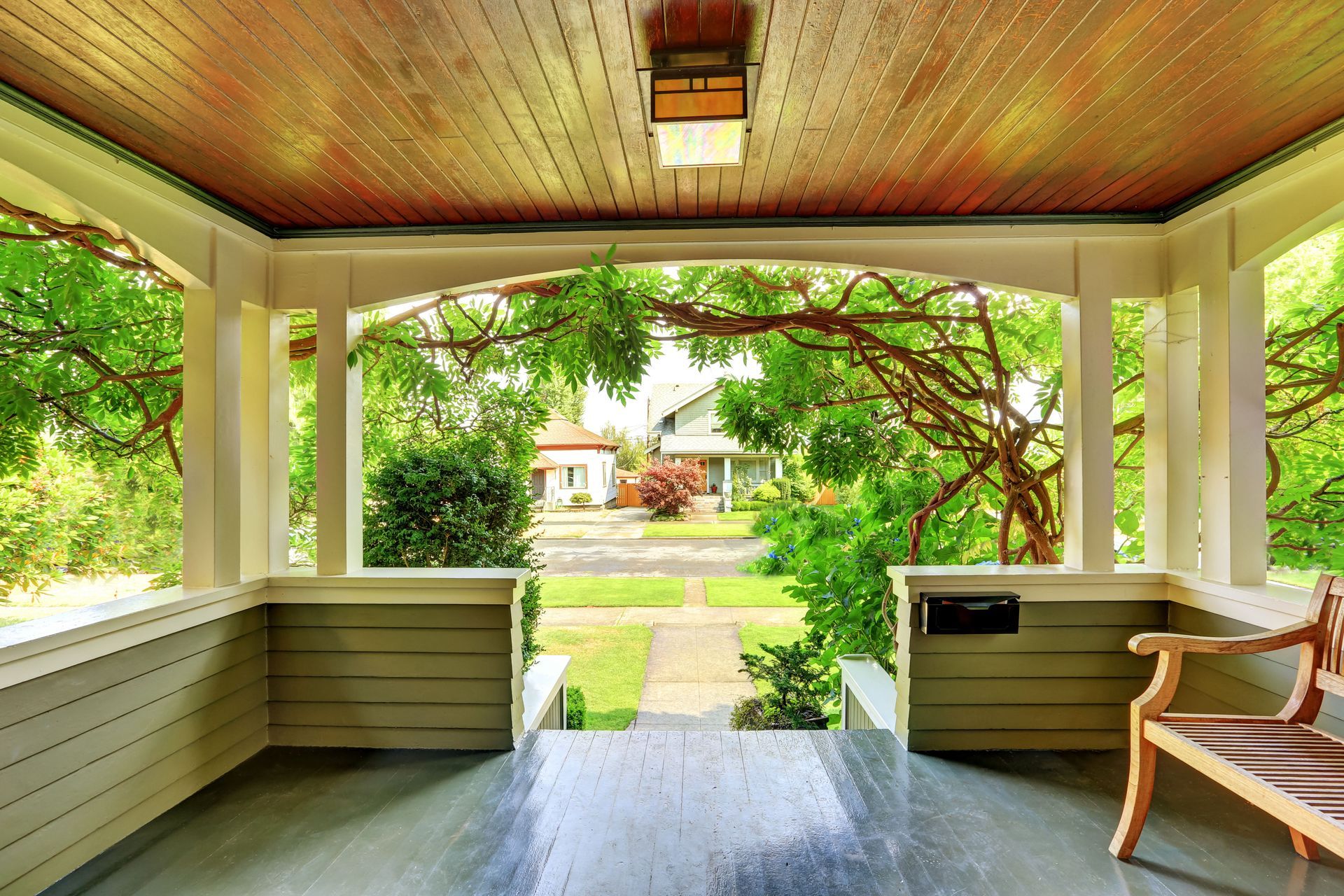
One of the most noticeable advantages of regular tree maintenance is improved curb appeal. Well-shaped trees create a polished, inviting look that makes a strong first impression on visitors and potential buyers. Tree trimming helps remove overgrown or uneven branches, giving the landscape a clean and intentional appearance. A property with neat, healthy trees often signals that the rest of the home has been well cared for.
In addition to first impressions, trees contribute to a balanced and visually pleasing outdoor environment. Their varying heights, textures, and colors bring depth to the landscape. Proper maintenance ensures that trees complement surrounding plants and architectural features instead of overwhelming them. This harmony makes outdoor spaces more attractive and enjoyable throughout the year.
Seasonal changes also play a role in a property’s appeal. Trees offer blossoms in spring, shade in summer, vibrant colors in fall, and structure in winter. Regular tree trimming supports healthy growth, allowing trees to fully showcase their seasonal beauty. This ongoing visual interest adds charm and keeps the property looking lively in every season.
Increased Property Value
Maintained trees can directly impact property value. Homes with mature, healthy landscaping often sell for higher prices compared to those with neglected yards. Buyers are drawn to properties that offer both beauty and functionality, and trees provide both when properly cared for.
Tree trimming plays an important role in preserving this value. By removing damaged or overgrown branches, homeowners help trees grow stronger and live longer. According to Lawn Love, most trees need pruning every 3 to 5 years. Following a consistent maintenance schedule ensures that trees remain assets rather than liabilities.
Well-maintained trees also offer long-term investment benefits. As trees mature, they increase in size and visual impact, which can boost the overall appeal of a property over time. In contrast, neglected trees can detract from value by appearing unhealthy or posing potential risks. Regular care helps homeowners stay competitive in the real estate market while protecting their investment.
Safety and Risk Management
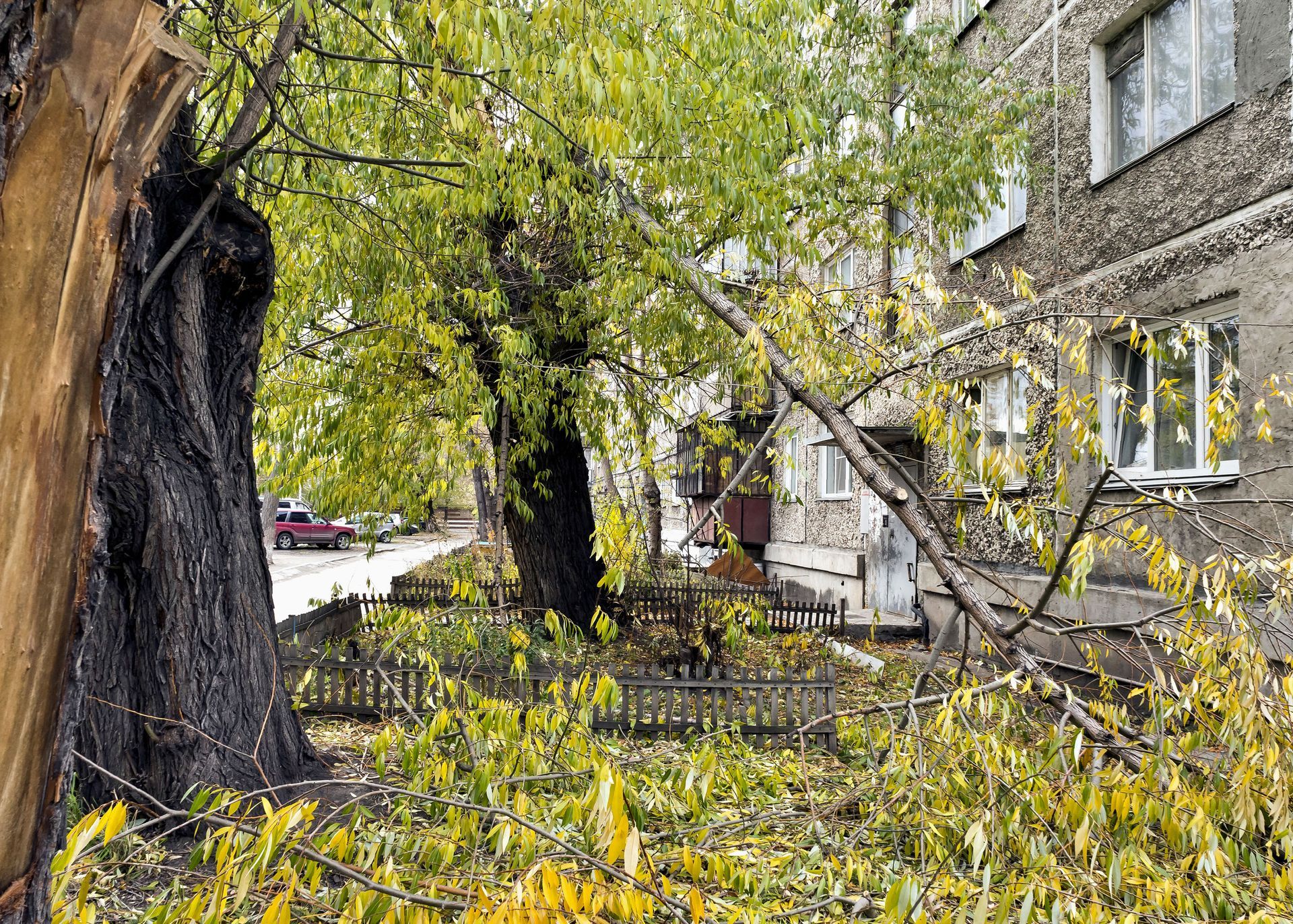
Safety is another key reason to prioritize tree maintenance. Overgrown or weakened branches can break unexpectedly, especially during storms or high winds. These falling limbs can damage roofs, vehicles, and other structures, leading to costly repairs. Tree trimming reduces these risks by removing unstable branches before they become a problem.
Maintaining trees also creates a safer environment for residents and guests. Outdoor areas become more enjoyable when there is less concern about falling debris. In addition, trimming improves visibility around the property, which can help prevent accidents and enhance security.
Liability is another factor to consider. Property owners may be held responsible for damage or injuries caused by neglected trees. Routine maintenance lowers this risk by keeping trees structurally sound and free of hazards. Taking a proactive approach helps avoid unexpected expenses and legal complications.
Environmental Benefits
Healthy trees provide important environmental advantages that extend beyond the property itself. They improve air quality by filtering pollutants and releasing oxygen. Regular care, including tree trimming, ensures that trees remain strong and capable of performing these functions effectively.
Energy efficiency is another benefit. Trees provide natural shade, which can reduce cooling costs during warmer months. Properly maintained trees are better positioned to block sunlight where it is most needed, helping homeowners save on energy bills. In colder months, trees can act as windbreaks, offering additional protection from harsh weather.
Trees also support local ecosystems. They provide shelter and food for birds, insects, and other wildlife. Keeping trees healthy through consistent maintenance helps sustain biodiversity and contributes to a balanced environment. This added ecological value can make a property more appealing to environmentally conscious buyers.
Water and Soil Management
Tree roots play a critical role in stabilizing soil and managing water flow. They help prevent erosion and reduce runoff during heavy rain. Regular maintenance ensures that trees remain strong enough to perform these functions effectively.
Tree trimming can also prevent excessive canopy growth, which may block sunlight from reaching grass and other plants below. By maintaining a balanced structure, homeowners can support healthier ground cover and improve overall landscape health. This contributes to a more functional and visually appealing outdoor space.
Social and Community Benefits
Well-maintained trees do more than improve individual properties. They enhance the overall appearance of neighborhoods, making communities more attractive and welcoming. Tree-lined streets and green spaces create a sense of pride among residents and can increase demand for homes in the area.
Trees also encourage outdoor activity and social interaction. Shaded areas provide comfortable spaces for gatherings, relaxation, and recreation. Regular tree trimming helps keep these spaces safe and enjoyable, supporting a more active and connected community.
In addition, shared efforts to maintain trees can strengthen neighborly relationships. Whether through community initiatives or informal cooperation, working together to care for green spaces fosters a sense of unity and shared responsibility.
Practical Tree Maintenance Tips
Understanding the basics of tree care can help homeowners maintain their landscapes effectively. Regular inspections are essential for identifying signs of damage, disease, or pest activity. Early detection allows for timely intervention, preventing small issues from becoming major problems.
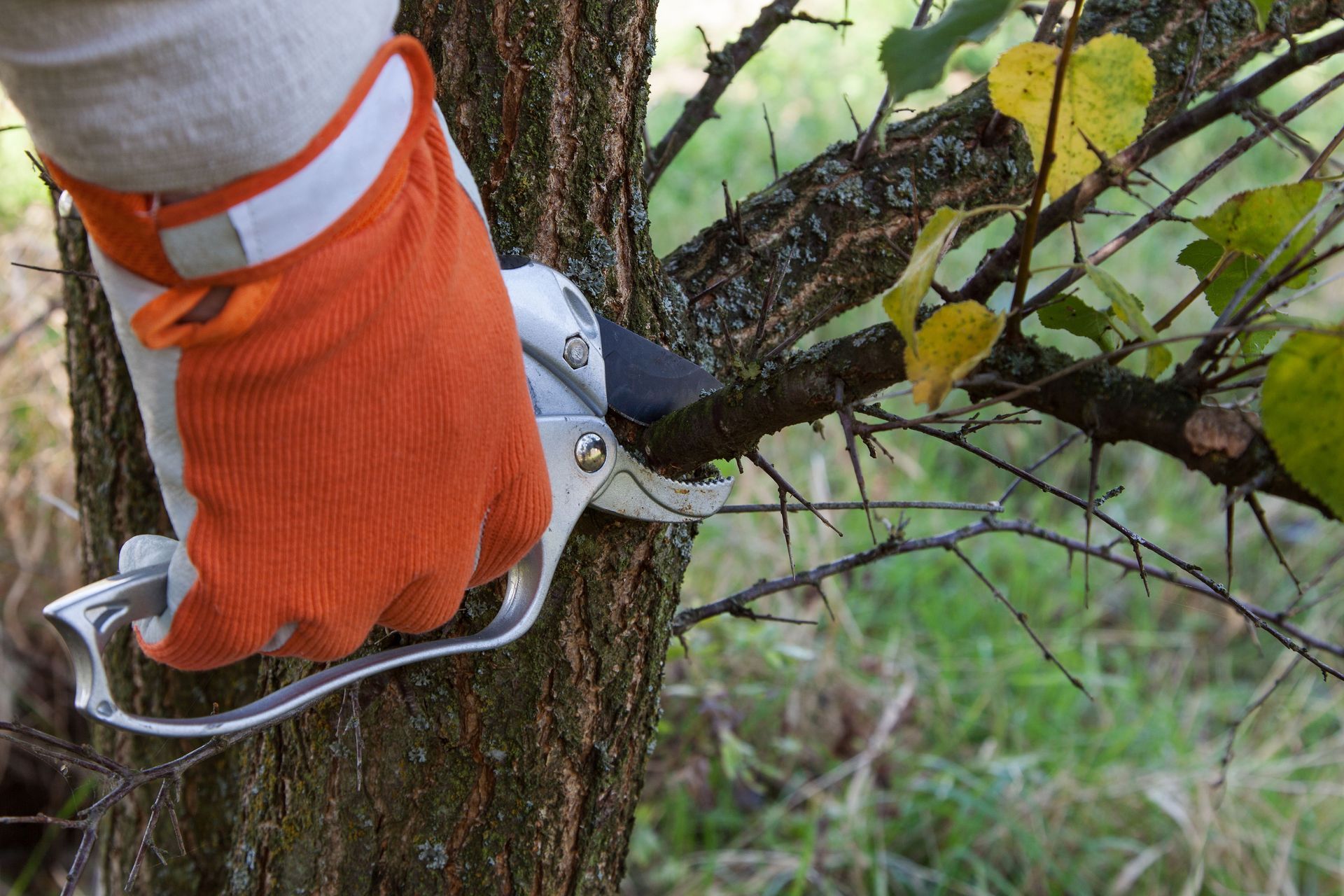
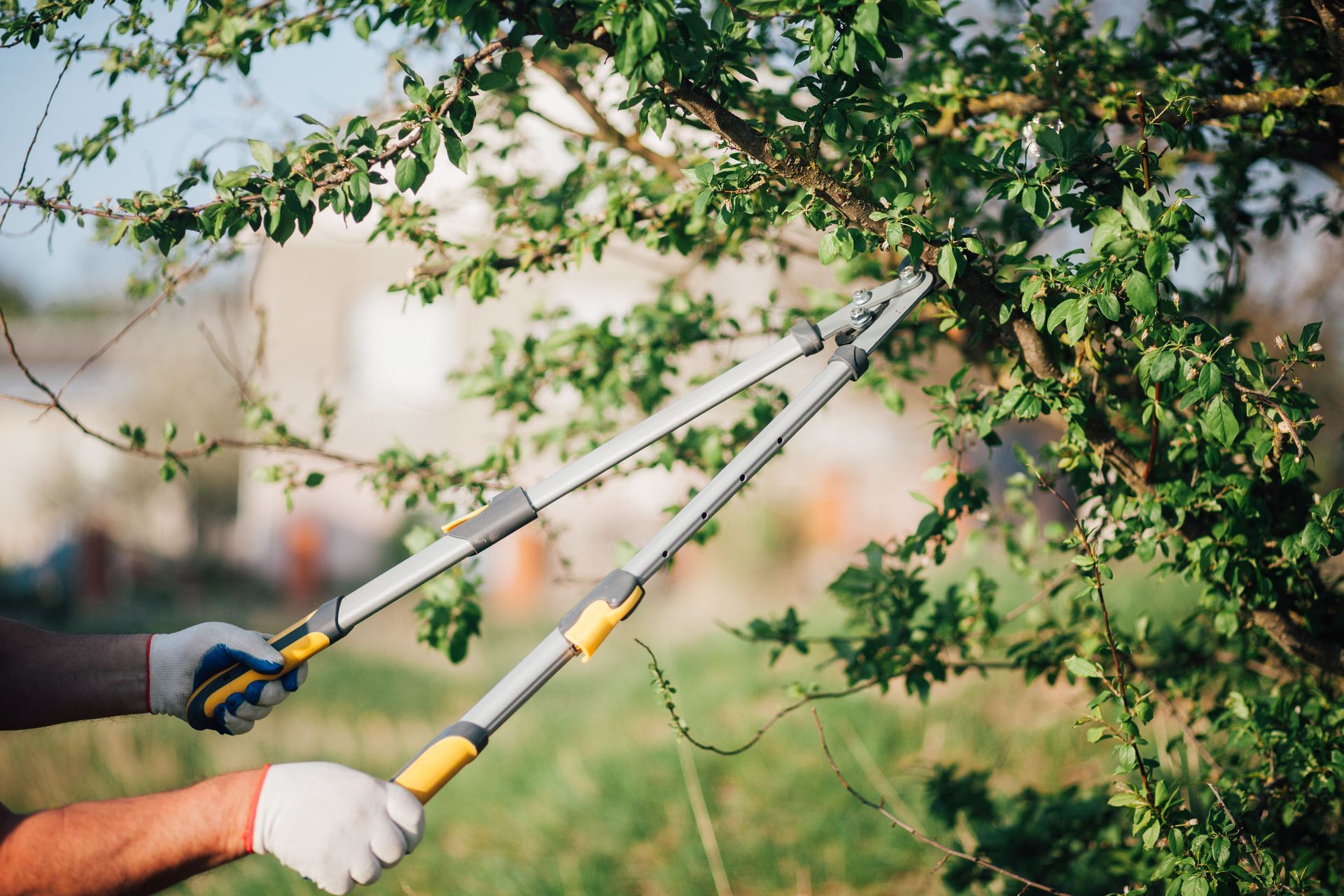
Tree trimming should be performed with care to avoid damaging the tree. Removing dead or overcrowded branches improves airflow and encourages healthy growth. It is important to use proper tools and techniques to ensure clean cuts and minimize stress on the tree.
While some maintenance tasks can be handled independently, professional arborists offer valuable expertise. They can assess tree health, recommend appropriate care, and perform more complex trimming safely. Combining professional services with basic DIY care provides a balanced approach to maintenance.
Seasonal care is also important. Spring and summer are ideal for monitoring growth and addressing any visible issues. Fall is a good time to prepare trees for colder weather, while winter provides an opportunity to inspect structural integrity. Following a year-round plan helps keep trees in optimal condition.
Long-Term Planning
Creating a long-term maintenance plan ensures consistent care and lasting benefits. This plan should include regular tree trimming, scheduled inspections, and adjustments based on the tree’s growth and condition. A proactive approach helps prevent neglect and supports steady improvement over time.
Planning also involves selecting the right trees for the property. Choosing species that thrive in the local climate reduces maintenance challenges and increases the likelihood of long-term success. Proper placement is equally important, as it affects both aesthetics and functionality.
By committing to ongoing care, homeowners can maximize the value and enjoyment of their trees. A well-maintained landscape not only enhances daily living but also strengthens the property’s position in the real estate market.
Regular tree maintenance is an essential part of preserving and increasing property value. Through improved aesthetics, enhanced safety, and meaningful environmental contributions, trees offer benefits that extend far beyond their appearance. Consistent tree trimming ensures that trees remain healthy, attractive, and structurally sound, making them valuable assets rather than potential risks.
From boosting curb appeal to supporting community well-being, maintained trees play a significant role in shaping desirable properties. By investing in proper care and planning, homeowners can enjoy both immediate and long-term rewards. In the end, a commitment to tree maintenance is a smart and impactful way to protect and enhance any property. For more information, contact TreeSpire.